Why MLB Needs a Salary Cap: A Comparative Study
- Adam Mocho

- Mar 31
- 2 min read
Updated: 6 days ago
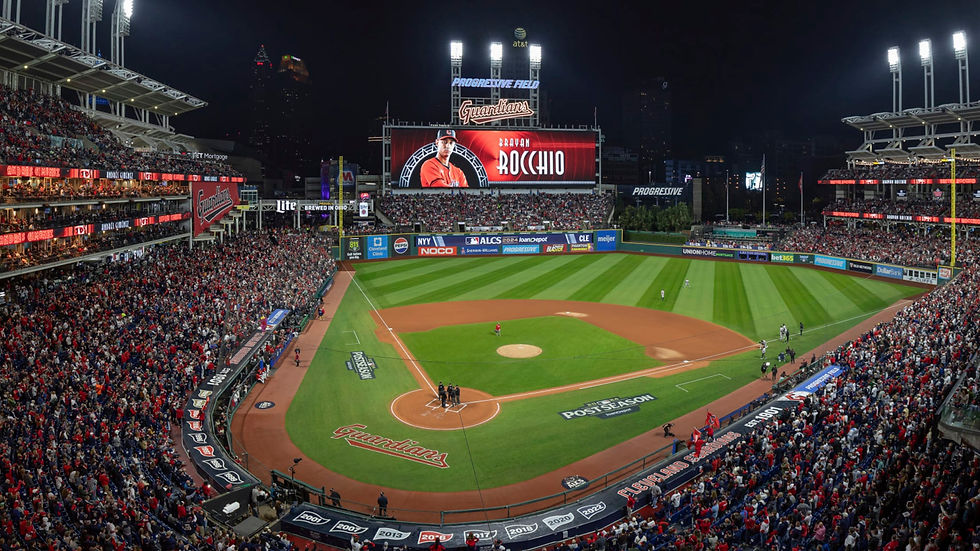
The absence of a salary cap in Major League Baseball is a unique feature among the four major North American professional sports leagues. The NFL, NHL, and NBA have each, through varying degrees of labor lockouts and conflicts, negotiated salary caps designed to promote competitive balance and financial sustainability. The historical example of each of these leagues supports that the resistance within the MLB to a salary cap cannot be further grounded in either economic or competition-based claims.
The financial disparity in team spending found in the MLB is similar to the catalysts of other leagues’ salary cap negotiations. In the NBA, the top ten spending teams in the 2010–2011 season averaged 50 wins compared to just 32 for the bottom ten spenders, which directly caused the 2011 collective bargaining agreement. The NFL addressed a similar disparity through a hard salary cap introduced in 1993, set initially at $34.6 million, which has since grown steadily in proportion to league revenue. The NHL, confronting losses the league estimated at $1.8 billion over a decade, implemented a revenue-linked cap following its 2004–2005 lockout, which was the first complete season cancellation in major professional sports history. In each case, unchecked payroll spending produced competitive imbalances and financial instability that ultimately proved unsustainable.
The MLB currently operates under a luxury tax system rather than a salary cap, a format easily compared to the soft cap the NBA had before the 2011 lockout. The NBA's experience demonstrated the failures of this approach; wealthy franchises in large markets could simply take on the luxury tax as an operating expense, continuing to outspend smaller-market teams without any consequence. The Larry Bird Rule further weakened the soft cap. The NBA's 2011 settlement addressed this by raising luxury tax penalties and introducing mandatory salary spending floors, providing a case study for the MLB that showcased that a tax system cannot provide competitive balance. MLB's luxury tax operates under the same rules as the NBA before; an extra expense for wealthy, big-market teams.
The argument of MLB players resisting a salary cap would track in historical accuracy to the other major sports leagues. However, this argument does not stand. All of the players' associations in the NFL, NHL, and NBA all combatively opposed a salary cap before eventually negotiating an agreed cap structure. In each league, the collective bargaining agreements included player protections that gave them revenue guarantees, team-required salary spending floors, and free agency rights. The NHL players' union was the most resistant, requiring a full season cancellation before conceding, yet the agreement included a minimum team payroll and annual cap adjustments tied to revenue growth on a year-to-year basis, demonstrating that a cap can be beneficial for players.
The pattern across professional sports is consistent: leagues that have implemented salary caps have achieved measurably greater competitive balance and long-term financial stability. MLB's continued track record has proved that, for big-market ball clubs, luxury tax expenses are no different than hot dogs in the concession stands. They are just a part of everyday baseball, rewarding spending ability instead of competition. The evidence from the NFL, NHL, and NBA collectively suggests that a properly structured salary cap, negotiated in good faith with the MLB Players Association, represents not merely a desirable reform but a necessary one.


Comments